
What is the deal with Cholesterol?
Cholesterol has been painted as the bad guy for decades, but the truth is a little more interesting.

Your body actually needs cholesterol to function—it helps build cell membranes and plays a role in producing vitamin D, hormones, and bile acids. The liver even produces cholesterol on its own, proving that this molecule isn't simply something that shows up after a weekend of burgers and pizza.
The key is understanding the difference between the players involved. HDL is often called the “good” cholesterol because it helps transport excess cholesterol back to the liver, while LDL carries cholesterol and fat throughout the body.
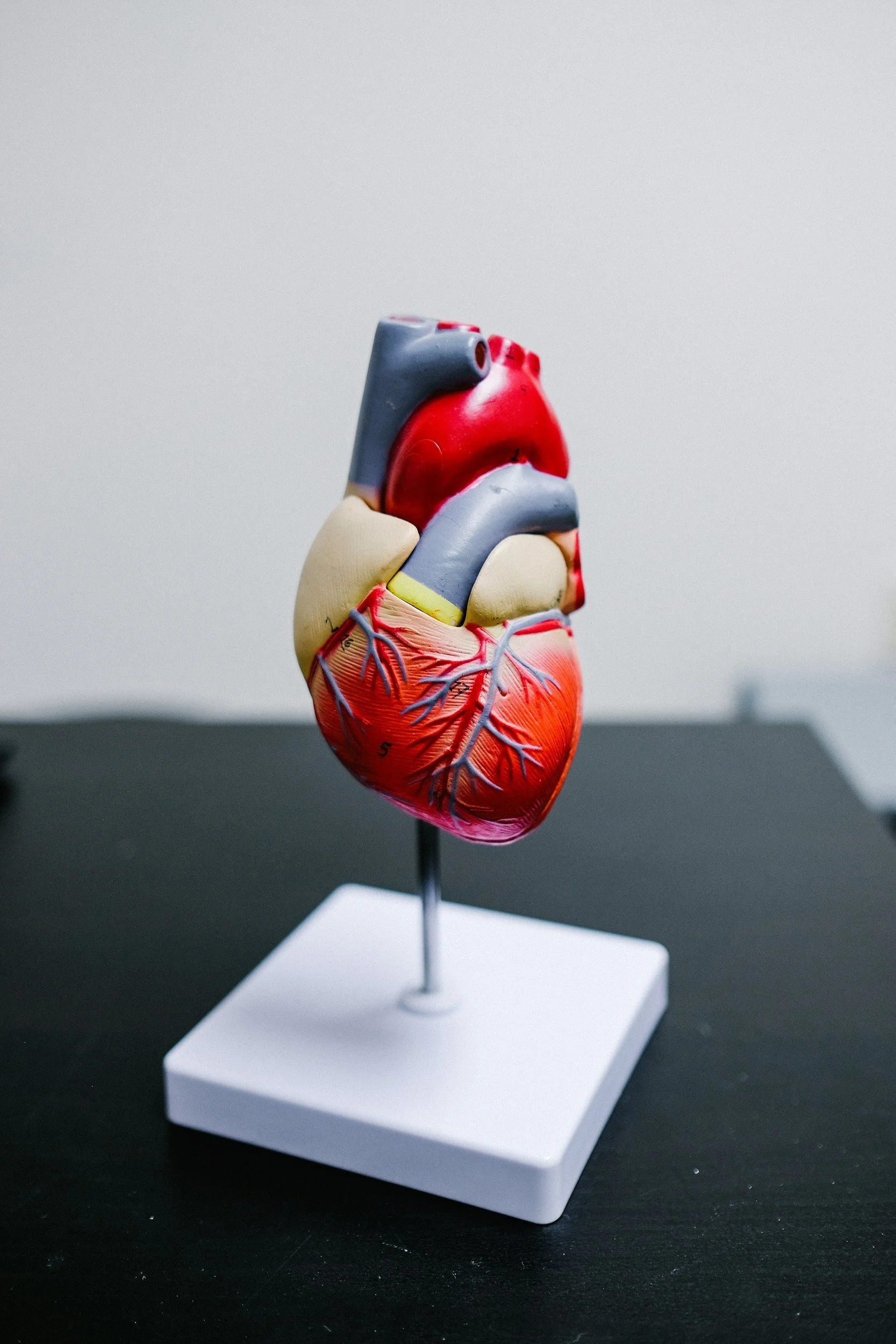
LDL has earned its negative reputation because of its association with plaque buildup in blood vessels. But like most things in fitness and nutrition, the situation is more complicated than simply labeling one number good and another bad.
So, what can you do to support healthy cholesterol levels? Start with the basics: maintain a healthy body composition, eat plenty of fruits and vegetables, include whole grains and legumes, and add nuts and seeds to your diet. Omega-3-rich foods and supplements may also play a role. Think of it as building a strong fitness foundation rather than searching for one magical food that will fix everything overnight. Sorry—there's no cholesterol-fighting superfood smoothie that gives you superhero powers... yet.

Exercise deserves a major spot in the conversation, too.
Try combining resistance training, conditioning, and flexibility work throughout the week. Regular physical activity is not only great for strength, endurance, and body composition—it can also support healthier blood lipid levels. In other words, your workout isn't just helping you look better in the mirror; it may be doing some important behind-the-scenes maintenance as well.
The big takeaway?
Cholesterol is not the enemy, and health isn't determined by a single number. Focus on consistent habits: eat more nutrient-dense foods, move regularly, limit heavily processed foods and trans fats, and work toward a sustainable lifestyle you can maintain. And if you're concerned about your cholesterol levels, discuss your individual results with a qualified healthcare professional. Fitness is a long game—and the boring basics are still undefeated.
Interested in learning more about how you can use diet and exercise to improve your cholesterol numbers?
Contact our registered dietician, Coach Sarah, today!